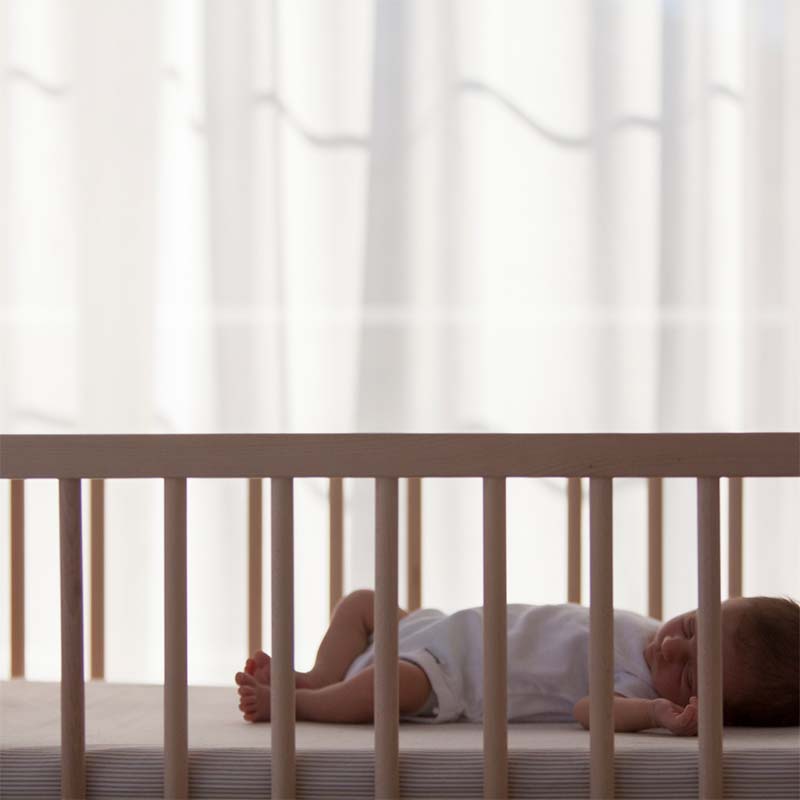
As a registered nurse for over 20 years and a fully qualified baby and child sleep consultant, I have an extensive background in healthcare, and this enables me to take a very thorough approach to my work. Before commencing personalised sessions with your family, I will always inquire about the health status and any existing conditions affecting you and your little one. Underlying physical and mental health conditions can and do impact a child’s sleep and daily routine, so I draw upon my professional healthcare experience to identify any potential issues before we get started.
This is because sleep struggles can be a symptom of illness or a health condition and why it’s really important to seek support from your GP or paediatrician for any health-related concerns you have before you do anything else. Even if the issue seems small, it’s always worth having your little one checked out by a healthcare professional. Once they’re feeling better again, you can get started on improving their sleep.
If your little one with a chronic physical or developmental health condition is struggling with sleep, get clearance from their GP or trusted healthcare professional before you start using my educational resources. Flare ups or acute episodes will most likely impact their sleep, but try to continue with their sleep routine, with adjustments if needed, so you can get back on track as soon as they’re feeling back to normal.
Now, it’s not just your baby or child’s health that’s important when it comes to working on their sleep. YOUR health is vitally important too – and that includes your emotional and mental health.
Becoming a parent is a hugely intense experience for both mothers and fathers, no matter how many times you’ve done it before, so it’s very common to experience mood changes before and after your baby is born.
In the first few days after birth, many women feel anxious, teary and moody. This is known as the ‘baby blues’ and usually lasts for 2 to 3 days. For some people though, these feelings don’t go away but become more severe, make them feel overwhelmed and start to impact their daily lives.
Experiencing feelings of anxiety or depression within 12 months of your baby’s birth is known as ‘postnatal anxiety’ or ‘postnatal depression’. Both of these conditions can be confusing and frightening and make you feel very alone.
The important thing to know is you are NOT alone. There are a vast number of services out there offering treatment and support to people who are struggling just like you.
A great first step is talking to your partner, a trusted family member, a good friend, or your GP. It’s not easy to speak up about how you’re feeling, but it’s important for your whole family that you do. From there, you’ll be able to get the support you need.
If you’re close to someone who’s struggling, you may need to be the person that steps in and nudges them towards professional support. This might feel tricky, but try to focus on the positive long-term impact your actions will have on your loved one and the rest of the family.
The information in this Blog Article relates to healthy babies and children with no undiagnosed, untreated medical issues or concerns. If you have any concerns about the health of the baby or child in your care, please see their GP or paediatrician.
For more sensible, straightforward, safe advice and resources on getting your family the sleep you all deserve, explore my website – sleepbysteph.com.au